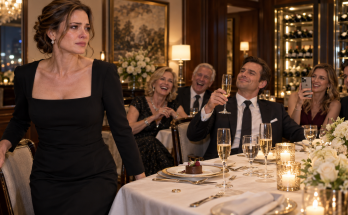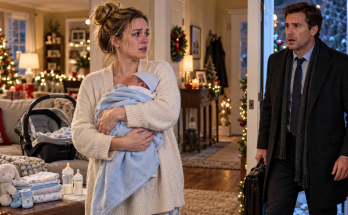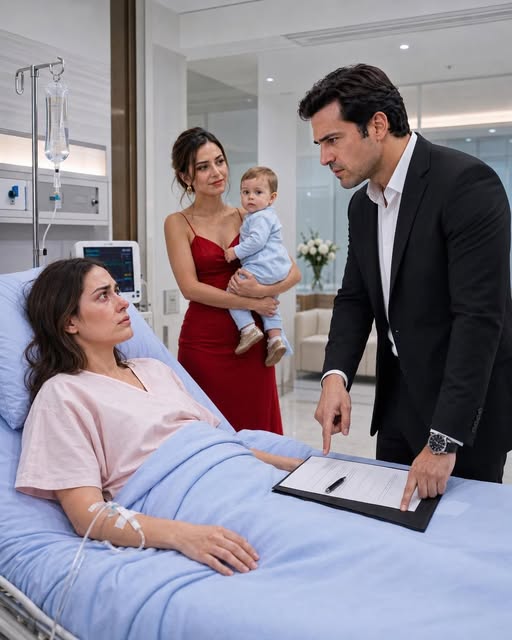
“Just before my brain surgery, my husband confessed, “I’ve had a daughter with your friend for nine years.” He believed I might lose my memory after the surgery—and forget everything he’d done. I didn’t scream. I quietly canceled his cards and handed our financial records to a lawyer. The next day, he realized my memory wasn’t the only thing he should have worried about.

PART 1
“Sign the divorce papers before they open up your skull. If you don’t wake up, at least Claudia and I can get married without any red tape.”
Those were my husband’s exact words to me, two hours before I was scheduled for brain tumor surgery.
My name is Camila Vance. I’m forty-five years old, and for fifteen years, I believed I was married to an imperfect but decent man. That morning, in a private hospital room in Chicago, I was waiting for Alejandro to walk in, take my hand, and tell me everything was going to be okay.
Instead, he walked in wearing a brand-new tailored suit, wearing expensive cologne, and holding a leather portfolio.
“Why are you dressed like that?” I asked, my voice raspy.
“I have an important business lunch,” he said smoothly.
He pulled several pages from the folder and laid them directly onto my hospital sheet.
“Claudia and I want to start our life together. Her baby just turned one. My son. I’ve waited long enough.”
The heart monitor beside my bed began to beep faster.
Claudia wasn’t a stranger. She had been my best friend since high school. When I was diagnosed with the tumor six months earlier, she was the first person to hug me, promising she would help take care of Alejandro while I was undergoing treatment.
Now I understood what kind of “help” she had been providing.
Alejandro kept talking with a serene composure that terrified me far more than his words.
“Look, Camila, I don’t want to be cruel, but you could never give me children. Now you’re sick. Claudia is young, healthy, and she gave me a boy. I deserve a real family, too.”
“How long have you two been together?”
“That doesn’t matter anymore.”
“And the child?”
He smiled proudly. “He’s mine. And as your best friend, Claudia thinks you should be happy for us.”
Then he leaned down over my bed.
“Besides, let’s be realistic. If something goes wrong during the surgery, I don’t want to be stuck dealing with probate, inheritance disputes, and hospital bureaucracy. Just sign.”
Fifteen years of marriage, reduced to a legal signature right before I was wheeled into an operating room.
I looked at him, and suddenly, my terror vanished, replaced by an icy, absolute clarity.
“Okay.”
Alejandro blinked, caught off guard. “What?”
“I’ll sign.”
I took the pen with my trembling hand, the IV line still taped to my wrist, and pressed my signature onto the bottom line.
He snatched the documents back with a triumphant grin. “I knew you’d understand in the end. Good luck with the operation.”
He walked out without kissing me, without touching my shoulder, and without looking back.
I didn’t shed a single tear.
Because Alejandro was completely oblivious to a fundamental truth.
The high-rise condo in downtown Chicago where he planned to live with Claudia hadn’t been paid for by him.
The platinum credit cards he used to buy his designer suits, watches, and dinners weren’t sustained by his modest salary.
And the monthly wire transfers sent to his parents’ struggling carpentry workshop in Indiana didn’t come from his “”investments.””
Every single cent came from me.
My late father had built a commercial real estate empire over forty years. When he passed away, I inherited properties, commercial holdings, and an independent trust that I kept entirely separate from my marital assets. I never bragged about it to Alejandro because I wanted to protect his fragile male pride.
That had been my greatest mistake.
When the surgical team entered to prep me for the operating room, I closed my eyes and whispered a single vow to myself:
If I wake up, the lie is over.
The surgery lasted seven hours.
When I opened my eyes in recovery, my neurosurgeon was smiling down at me. “Camila, it went brilliantly. We successfully resected the tumor without complications.”
I hadn’t just survived. I had made it back in time to watch Alejandro discover who had actually paid for the lavish life he loved to brag about.
PART 2: HE THOUGHT I WOULD WAKE UP FORGETTING
The first thing I remembered after brain surgery was my husband asking me to sign away my marriage before someone opened my skull.
That seemed almost funny.
Almost.
My eyelids felt impossibly heavy when I woke in recovery.
The ceiling above me was a blur of white panels and fluorescent light.
My mouth tasted metallic.
My head felt as though someone had filled it with wet sand.
There were tubes.
Machines.
A blood pressure cuff tightening around my arm.
A nurse saying my name gently from somewhere to my left.
“Camila?”
I blinked.
“Can you hear me?”
I tried to answer.
Only air came out.
The nurse leaned closer.
“You’re safe. The surgery is finished.”
Safe.
I stared at her.
It was such a strange word.
The tumor had been removed.
My skull had been opened.
I had spent seven hours beneath anesthesia.
And somehow the most dangerous person in my life had walked into my hospital room wearing a tailored suit.
“Can you tell me your full name?” the nurse asked.
I swallowed.
“Camila Vance.”
Her face brightened.
“Good.”
She asked what city I was in.
“Chicago.”
She asked what year it was.
I answered correctly.
Then she asked whether I knew why I was in the hospital.
I closed my eyes for one second.
“Brain tumor.”
The nurse smiled.
“Excellent.”
Excellent.
Every answer seemed to calm the medical staff.
With every correct word, their relief increased.
Mine did too.
But for a different reason.
I remembered.
Alejandro.
Claudia.
The baby.
The divorce papers.
Every sentence.
Every expression.
Every detail.
Nothing had disappeared.
Not even the way he had smiled when I signed.
Especially not that.
A few minutes later, Dr. Patel appeared beside my bed.
He was still wearing surgical scrubs.
His mask hung loose beneath his chin, and exhaustion showed in his eyes, but his smile was genuine.
“Camila, the procedure went very well.”
I stared at him.
“We were able to remove the visible tumor. Your neurological responses are excellent. Obviously, we’ll continue monitoring you closely, but right now, I’m very pleased.”
I wanted to cry.
Not because I was frightened anymore.
Because I was alive.
That truth arrived slowly.
Warmly.
Almost painfully.
I was alive.
Alejandro had spoken about my death as though it were an administrative inconvenience.
Probate.
Inheritance.
Red tape.
He had already imagined the paperwork after my funeral.
And yet there I was.
Breathing.
Remembering.
Thinking.
Planning.
I lifted one hand weakly.
“Doctor?”
“Yes?”
“My memory?”
“We’ll perform more detailed assessments, but so far, there’s no indication of significant memory loss.”
A small laugh escaped me.
It hurt my head.
But I laughed anyway.
The doctor probably thought it was relief.
In a way, it was.
“Good,” I whispered.
Very good.
Because there were several things I needed to remember.
And several things Alejandro was about to learn.
By late afternoon, I had been moved to a private neurological recovery room.
My sister Elena arrived first.
The moment she saw me, she began crying.
Elena was four years younger than me and possessed all the emotional volume I had somehow been born without.
She rushed to my bedside, stopped herself from hugging me because of the wires, and covered her mouth.
“You’re awake.”
“I noticed.”
She laughed through her tears.
“Don’t make jokes after brain surgery.”
“Why?”
“Because I’m supposed to be the dramatic one.”
I smiled.
That hurt too.
Then her expression changed.
“Where’s Alejandro?”
There it was.
I looked toward the closed door.
“He left before surgery.”
Her eyebrows drew together.
“What?”
“He had a business lunch.”
Elena stared at me.
“A business lunch?”
“Yes.”
“While his wife was having brain surgery?”
“Yes.”
She looked toward the door again as if Alejandro might appear merely so she could kill him.
Then she noticed the leather folder on the chair.
The divorce papers were no longer inside.
Alejandro had taken them.
But my copy of the hospital admission paperwork remained there.
Elena looked back at me.
“What happened?”
I hesitated.
Not because I wanted to protect him.
Because saying betrayal aloud transforms it.
Inside your head, a terrible truth can still feel unreal.
Once spoken, it develops bones.
Weight.
Shape.
“Claudia and Alejandro are together.”
Elena went completely still.
“What?”
“They have a child.”
Her face emptied.
“No.”
“Yes.”
“No.”
“Elena.”
“No.”
She shook her head violently.
“Claudia? Your Claudia?”
“My Claudia.”
“The woman who sat in your kitchen three weeks ago and cried because she was worried about your surgery?”
“Yes.”
“The woman who brought soup?”
“Yes.”
“The woman who told me Alejandro was under so much stress that we needed to be patient with him?”
“That would be her.”
Elena’s face hardened.
“How old is the baby?”
“One.”
She stared.
Then her expression changed again.
Something passed through it.
Recognition.
A thought.
“Camila…”
“What?”
She sat slowly.
“When did he say this started?”
“He refused to tell me.”
Elena looked uncomfortable.
That alone frightened me.
“Elena.”
She lowered her voice.
“I need to tell you something.”
My stomach tightened.
“Apparently today is the family holiday for devastating revelations.”
“I’m serious.”
“So am I.”
She took my hand.
“Do you remember Claudia’s daughter?”
I frowned.
“Lucía?”
Claudia had a daughter named Lucía.
Of course I remembered her.
Nine years old.
Quiet.
Dark-haired.
Beautiful.
Claudia had always said Lucía’s father was a man she dated briefly after college.
Someone who wanted no involvement.
I had bought that child birthday gifts.
Christmas gifts.
School supplies.
When Claudia struggled financially after changing jobs, I paid for Lucía’s private summer reading program.
I had sat beside her at a dance recital.
I had braided her hair once while Claudia was sick.
A cold sensation moved through my body.
“Elena.”
She wouldn’t meet my eyes.
“What?”
“Last year, at Dad’s memorial dinner…”
My father had died three years earlier.
Every year, Elena and I hosted dinner on his birthday.
Alejandro usually complained about it.
Too sentimental, he called it.
That year, Claudia had come because she claimed I shouldn’t be alone.
“What happened?”
Elena swallowed.
“I saw Alejandro with Lucía in the hallway.”
My pulse changed.
“What do you mean, with her?”
“He was fixing the clasp on her necklace.”
“That means nothing.”
“I know.”
She hesitated.
“But the way she looked at him…”
“Elena.”
“She called him Papa.”
The room disappeared.
I heard the monitor beside me begin to accelerate.
Elena squeezed my hand.
“I told myself I misheard.”
I stared at her.
“Why didn’t you tell me?”
“Because you had just been diagnosed.”
I closed my eyes.
There was always a reason not to tell me.
A diagnosis.
A marriage.
A friendship.
Timing.
Protection.
People loved withholding truth and calling it kindness.
“Elena.”
“I’m sorry.”
“How old is Lucía?”
“Nine.”
Nine.
The number landed harder than one.
A one-year-old baby meant an affair that could have begun recently.
Nine years meant a life.
A hidden family.
A decade of birthdays and excuses and business trips.
I opened my eyes.
“Get me my phone.”
Elena hesitated.
“You need to rest.”
“My phone.”
She handed it to me.
My fingers were clumsy.
The anesthesia still dragged at my movements.
I opened my banking app.
Then the credit card portal.
Then the private trust management account.
Elena watched.
“What are you doing?”
“Correcting an oversight.”
The platinum card Alejandro used was an authorized-user account under one of my private financial structures.
Legally, he had no ownership interest.
He simply enjoyed the privilege.
I removed him.
One click.
Then another.
His backup card.
Canceled.
His luxury travel account.
Frozen.
His access to the household discretionary account.
Suspended.
Then I opened the transfer settings.
Every month, four thousand dollars went automatically to Vance Woodworks.
Alejandro’s parents’ struggling carpentry business.
He told them the money came from his investments.
It did not.
It came from me.
I stopped the transfer.
Elena stared at the screen.
“Camila.”
“What?”
“You had brain surgery six hours ago.”
“Yes.”
“And you’re conducting a financial execution.”
“I’ve always been efficient.”
Despite everything, she laughed.
Then I opened my contacts.
I found one name.
Daniel Rosen.
My father’s estate attorney.
He had handled the trust after Dad’s death.
More importantly, he had warned me twelve years earlier to keep inherited assets separate from marital funds.
I had listened.
Mostly.
Thank God.
I typed with slow fingers.
Daniel. I need a divorce attorney immediately. Preferably someone who enjoys unpleasant surprises.
He replied within three minutes.
Are you all right?
I stared at the screen.
Then typed:
I survived brain surgery. My marriage did not.
His response arrived almost instantly.
I’ll handle it. Rest.
For the first time that day, I did.
I slept.
When I woke, it was dark outside.
The Chicago skyline glittered beyond the hospital windows.
Elena had fallen asleep in the chair.
And Alejandro was standing beside my bed.
He was still wearing the suit.
But the confidence was gone.
His tie was loosened.
His hair was disordered.
His face was red.
He held his phone like it had personally betrayed him.
“You canceled my cards.”
No hello.
No how are you.
No thank God you survived.
I looked at him.
Apparently brain surgery had improved my taste in people.
“You noticed.”
“What the hell are you doing?”
Elena woke instantly.
“Oh, good.”
She sat upright.
“The corpse’s husband is here.”
Alejandro glared at her.
“Stay out of this.”
Elena smiled.
“No.”
I almost loved her enough in that moment to leave her a building.
Alejandro turned back to me.
“I was at the restaurant.”
“What restaurant?”
“The Langham.”
“Of course.”
He ignored the sarcasm.
“I was meeting Claudia.”
“Of course.”
“When the waiter ran my card, it declined.”
“That must have been humiliating.”
“Camila.”
“I’m recovering from brain surgery, Alejandro. Lower your voice.”
He looked around.
Then whispered furiously.
“You had no right to shut off my account.”
“My account.”
“Marital funds.”
“No.”
His expression shifted.
Tiny.
But I saw it.
“What?”
“The card is attached to a private trust account.”
“You said those investments were ours.”
“I said the lifestyle was ours.”
“That isn’t the same thing.”
“You’re splitting hairs.”
“No.”
I adjusted the blanket.
“I’m separating assets.”
His face reddened.
“You signed the divorce papers.”
“I remember.”
That stopped him.
Completely.
I watched the exact moment he understood.
His eyes widened.
“You…”
“Yes?”
“You remember?”
“Everything.”
He stared at me as though I had violated some agreement.
The cruelty of that almost impressed me.
“You told the nurse they said memory loss was possible.”
“They said many things were possible.”
His mouth opened.
Closed.
I smiled faintly.
“I’m sorry my functioning brain has inconvenienced you.”
Elena turned her face away to hide a grin.
Alejandro stepped closer.
“You can’t do this because you’re angry.”
“I’m not angry.”
That was almost true.
Anger had burned through me earlier.
Now there was something colder.
Precision.
“You’re clearly not thinking properly.”
“I passed every neurological test.”
“You’ve just had surgery.”
“And you’ve apparently spent nine years having children with my best friend.”
His face changed.
There.
That was the moment.
The one-year-old baby had not surprised him.
Lucía did.
He looked toward Elena.
Then back at me.
“Who told you that?”
I felt my heartbeat in my surgical incision.
“So it’s true.”
He said nothing.
I had learned something valuable during fifteen years of marriage.
Alejandro talked when lying.
Silence meant truth.
“Lucía is yours?”
He rubbed his forehead.
“Camila.”
“How old was she when you first held her?”
“This is not the time.”
“It seems to be exactly the time.”
“You need rest.”
“I need an answer.”
He looked at Elena.
“Can we speak privately?”
“No.”
“Elena, leave.”
“No.”
“She’s my wife.”
Elena stood.
“And she’s my sister.”
She folded her arms.
“Right now, I outrank you.”
Alejandro looked ready to explode.
I almost enjoyed it.
Almost.
“How long?” I asked.
His jaw tightened.
“Camila…”
“Nine years?”
Silence.
“Ten?”
He looked away.
My throat closed.
“How long?”
“Twelve.”
The word was quiet.
My entire body went cold.
“Twelve years?”
He exhaled.
“It wasn’t continuous.”
That sentence hurt in a way I could not explain.
Perhaps because cheaters always seemed to imagine frequency mattered.
As though betrayal became smaller if scheduled irregularly.
“Twelve years.”
I repeated it.
“We were married for fifteen.”
“I know.”
“So three years into our marriage?”
He said nothing.
“With Claudia?”
“Yes.”
The room seemed too bright.
Too clean.
Too ordinary for a revelation that ugly.
“How?”
“Does that matter?”
“Yes.”
“Why?”
“Because I spent fifteen years living inside a story you wrote for me.”
My voice shook now.
“And I want to know where the first lie began.”
He sank into the chair.
For the first time, he looked tired.
Not guilty.
Tired.
That angered me more.
“It happened during your father’s development project in Miami.”
I remembered.
Dad had sent me to Florida for six weeks to supervise lease negotiations.
Alejandro claimed he couldn’t leave Chicago.
Claudia was between jobs.
I had asked her to check on him.
I almost laughed.
The irony was obscene.
“She came over?”
“Yes.”
“How many times?”
“I don’t remember.”
“You remember enough to make a child.”
He flinched.
Good.
“Did she know she was pregnant before I came home?”
“Yes.”
My eyes burned.
“And you both decided to tell me some imaginary man was the father?”
“She wanted to keep the baby.”
“Lucía.”
“What?”
“Her name is Lucía.”
I stared at him.
“She is not ‘the baby.’ She is a nine-year-old child I have loved while neither of you had the courage to tell me who she was.”
He looked down.
I thought about Lucía’s birthdays.
Her seventh birthday at a trampoline park.
Alejandro had arrived early.
I remembered being surprised.
He hated children’s parties.
Yet he spent most of that afternoon helping Lucía open gifts.
At the time, I thought he was being unusually sweet.
Now the memory made me nauseated.
“How often did you see her?”
His silence answered first.
“Alejandro.”
“Regularly.”
“How regularly?”
He looked toward the window.
“I helped Claudia financially.”
“With what money?”
His head turned back.
That question frightened him.
“What do you mean?”
“I mean whose money did you use to support your secret daughter?”
He hesitated.
My stomach dropped.
“No.”
“Camila.”
“No.”
“Don’t make this uglier than it already is.”
I laughed.
The monitor accelerated again.
Elena came closer to the bed.
“Do you need me to call the nurse?”
“No.”
I looked directly at my husband.
“My money?”
“It came from household funds.”
“My money.”
“We were married.”
“You used my money to finance your affair?”
He stood.
“It wasn’t like that.”
“It was exactly like that.”
“I contributed to the marriage.”
“Your salary barely covered your car payment.”
“That was your choice.”
“No.”
My voice sharpened.
“My choice was to support my husband.”
I pointed toward him.
“I did not choose to support my husband’s second family.”
He paced toward the window.
“You always made money an issue.”
I stared.
“I never made money an issue.”
“That was the problem.”
I almost stopped breathing.
He continued.
“You acted like it didn’t matter because you had so much of it.”
I couldn’t believe what I was hearing.
“You bought me watches.”
“You asked for them.”
“You paid for vacations.”
“You chose the hotels.”
“You made me dependent on you.”
Elena let out an incredulous laugh.
“Oh, this is extraordinary.”
Alejandro ignored her.
“I had nothing that felt like mine.”
I stared at him.
“So Claudia made you feel like a man?”
He looked away.
That was answer enough.
There it was.
The fragile pride I had spent fifteen years protecting.
I had dimmed myself.
Hidden wealth.
Avoided discussing how much property I owned.
Let him tell friends vacations were his treat.
Let his parents believe he supported them.
Let him brag about investments he did not have.
And still, somehow, my success had humiliated him.
I spoke softly.
“I made myself smaller for you.”
He looked at me.
“I never asked you to.”
“No.”
I nodded.
“You just punished me whenever I wasn’t.”
Silence.
I reached for the water beside my bed.
Elena helped me drink.
Then I looked back at him.
“Does Claudia know everything?”
“What do you mean?”
“Does she know the condo is mine?”
His jaw tightened.
“She knows we’re going to live there.”
I smiled.
“No, you’re not.”
“What?”
“The condo is held by the Vance Family Trust.”
He stared.
“You told me it was ours.”
“I told you it was our home.”
“We’re married.”
“Not for much longer.”
“You signed—”
“Yes.”
I smiled again.
“And my attorney is reviewing those documents right now.”
His face darkened.
“They’re valid.”
“Maybe.”
“What does that mean?”
“It means obtaining a signature from a medicated woman two hours before major neurological surgery while discussing the possibility of her death may create interesting questions.”
He went pale.
I had already suspected it.
Daniel confirmed it by text earlier.
Depending on how the papers had been prepared, witnessed, and filed, Alejandro’s little hospital stunt might be legally worthless.
More importantly, the financial discovery would be extremely useful.
His phone rang.
Claudia.
I could see the name.
He silenced it.
“Answer.”
“No.”
“Answer.”
“Camila.”
“I haven’t spoken to my best friend since discovering she has spent twelve years sleeping with my husband.”
“That won’t help.”
“Then consider it recreation.”
He declined the call.
My phone vibrated.
A message.
From Claudia.
Of course.
Please don’t believe everything Alejandro says. There is more to the story.
I stared at it.
Then laughed.
Alejandro frowned.
“What?”
I turned the screen toward him.
His face changed.
Interesting.
“What more is there?”
He reached toward the phone.
I pulled it back.
“Elena.”
My sister took it immediately.
“Read it.”
Alejandro snapped, “Don’t.”
Elena’s eyes narrowed.
“Oh, now I absolutely will.”
She opened the message thread.
Another message arrived.
Camila, please call me when you are awake. Alejandro lied to both of us.
Alejandro swore under his breath.
I stared at him.
“What did you lie to her about?”
“Nothing.”
Another message.
He told me you knew about Lucía.
I stopped breathing.
Elena read the words twice.
Then looked at Alejandro.
“You told Claudia that Camila knew?”
He said nothing.
I whispered, “You told her I knew?”
“It was complicated.”
“No.”
My voice cracked.
“No, it wasn’t.”
The cruelty rearranged itself.
For twelve years, Claudia had looked me in the eyes believing what?
That I had consented?
That I had quietly accepted her daughter?
That I knew my husband was her child’s father?
Another message arrived.
He said your marriage was only financial after Lucía was born. He said you stayed together for appearances.
I closed my eyes.
There was pain behind them now.
A deep surgical ache.
But none of it compared to what was happening inside my chest.
Alejandro stood very still.
“You told her our marriage was fake?”
“Camila—”
“Was our marriage fake?”
“No.”
“Then why did you tell her it was?”
He rubbed his face.
“Because she was pregnant.”
“And?”
“She wanted me to leave you.”
“So you lied.”
“Yes.”
“At least we found a skill you’re consistent at.”
He flinched.
My phone buzzed again.
This time Claudia sent a photograph.
Elena opened it.
A bank statement.
I frowned.
“What is that?”
Elena zoomed in.
Then her eyes widened.
“Camila.”
“What?”
“This account has your trust company’s name on it.”
Alejandro moved quickly.
“Give me the phone.”
Elena stepped back.
“No.”
I looked at him.
“What account?”
He stared at me.
I saw fear.
Real fear.
Not over divorce.
Not over embarrassment.
Money.
“Daniel,” I whispered.
“What?”
“Call Daniel.”
Elena dialed my attorney and put him on speaker.
He answered quickly.
“Camila?”
“Daniel, I may have a problem.”
“Tell me.”
I described the photograph.
The account number.
The transfers Claudia had sent.
Daniel’s voice changed.
“Do you recognize the account?”
“No.”
“Was Alejandro ever authorized to create subaccounts under your marital operating company?”
I looked at him.
“Alejandro?”
He didn’t answer.
Daniel heard the silence.
“Camila, I need you to stop speaking about specifics in front of him.”
That sentence changed the atmosphere.
Alejandro’s face hardened.
“This is ridiculous.”
Daniel continued calmly.
“I’m arranging forensic accounting tonight.”
Alejandro laughed too loudly.
“For what?”
Daniel ignored him.
“Camila, do not sign anything else. Do not grant access to any accounts. I’ll have counsel meet you tomorrow.”
Alejandro snapped.
“She already signed a divorce agreement.”
Daniel replied without hesitation.
“I’m aware.”
“You haven’t even seen it.”
“I have now.”
My eyes widened.
“How?”
Daniel said, “Alejandro’s attorney emailed a courtesy copy to your estate office this afternoon.”
Silence.
Then Daniel added:
“It is one of the most poorly conceived documents I have seen in thirty-two years of practice.”
Elena covered her mouth.
I smiled despite the pain.
Alejandro did not.
Daniel continued.
“Several provisions appear designed to waive rights Camila does not need to waive, and claim interests you may not possess.”
“You’re her lawyer,” Alejandro said.
“I’m her father’s trust counsel.”
“Same thing.”
“No.”
Daniel’s voice became cold.
“And you should learn the difference quickly.”
Alejandro looked as if he wanted to throw the phone through the window.
Daniel continued.
“Camila, get some sleep.”
“I don’t think sleep is happening.”
“It needs to.”
A pause.
“Your marriage can collapse tomorrow. Your brain needs tonight.”
That was sufficiently sensible that even I could not argue.
We ended the call.
Alejandro stared at me.
“You’re really doing this?”
I looked at him.
“Doing what?”
“Destroying everything.”
For a moment, I could not speak.
Then the absurdity washed through me.
“Me?”
“Yes.”
“You came into my hospital room before brain surgery.”
My voice grew quieter with every sentence.
“You told me you had a child with my best friend.”
“You asked me to sign divorce papers because you were worried I might die inconveniently.”
“You planned to move her into a home my father’s money purchased.”
“You have apparently hidden financial accounts.”
I looked directly into his eyes.
“And you think I’m destroying everything?”
His anger flickered.
Then softened.
“Camila.”
There it was.
The voice.
The one he used after fights.
The voice that had persuaded me to forgive forgotten anniversaries.
Cruel comments.
Absences.
Things I now wondered whether I had misunderstood for years.
He moved closer.
“You’re emotional.”
I smiled.
“Of course I am.”
“You almost died today.”
“Yes.”
“We don’t have to make permanent decisions tonight.”
“No.”
I studied him.
“You made those this morning.”
He sat beside the bed.
“Listen to me.”
I did.
Not because I believed him.
Because perhaps for the first time in fifteen years, I wanted to hear exactly how a man sounded when he realized manipulation was no longer working.
“Claudia means nothing compared to what we built.”
I stared.
“She gave you two children.”
His face tightened.
“That doesn’t mean—”
“Two children?”
He looked at me.
I suddenly noticed it.
The pause.
Tiny.
Too tiny.
But there.
My blood went cold again.
“Alejandro.”
“What?”
I whispered, “Two?”
He said nothing.
Elena stepped forward.
“What is she talking about?”
I looked at him.
“Lucía and the baby.”
Silence.
“Those are Claudia’s only children.”
He stood.
“Camila, you need rest.”
My heart began pounding.
“What aren’t you telling me?”
“Nothing.”
“You looked surprised when I said two.”
“I wasn’t.”
“Yes, you were.”
Elena moved toward the door.
“I’m getting security.”
Alejandro snapped, “Don’t be ridiculous.”
I ignored both of them.
“How many children do you have?”
He stared at me.
For one terrible moment, I already knew the answer would hurt.
I just didn’t know how much.
Then my phone rang.
Claudia.
This time, I answered.
“Camila?”
Her voice cracked immediately.
I had heard that voice comfort me through miscarriages.
Birthdays.
My father’s death.
My cancer diagnosis.
Now every memory sounded contaminated.
“Tell me the truth.”
She began crying.
“I’m sorry.”
“No.”
I closed my eyes.
“Do not start with sorry. Start with truth.”
Silence.
Then she whispered:
“Alejandro told me Lucía was the only child you knew about.”
My eyes opened.
“What?”
Across the room, Alejandro went completely still.
Claudia continued.
“I thought you knew about her.”
“What are you talking about?”
“He said you found out when she was two.”
I gripped the blanket.
“And the baby?”
“He told me you agreed to the surrogacy arrangement.”
My brain struggled to understand the sentence.
“What surrogacy arrangement?”
She sobbed.
“Oh God.”
Alejandro crossed the room.
“Hang up.”
I held up my hand.
He stopped.
Claudia whispered, “Mateo isn’t mine.”
The world became silent.
I looked at Alejandro.
“What?”
“The baby.”
Her voice trembled.
“I didn’t give birth to him.”
My mouth went dry.
“Then who did?”
Claudia was quiet for so long that I thought the call had disconnected.
Then she said a name.
A name I had not heard in almost seven years.
“Marina.”
I stared at nothing.
Marina Ortega.
My former personal assistant.
The woman who quit suddenly after telling me she wanted to move to California.
The woman Alejandro had always complained was incompetent.
The woman who once cried in my office because she was pregnant and frightened.
I remembered giving her ten thousand dollars from my personal account because she said the father had disappeared.
My body went ice cold.
“How old is her child?”
Claudia cried harder.
“Seven.”
The room blurred.
I looked at my husband.
He looked terrified now.
Truly terrified.
Not because his card had declined.
Not because I remembered.
Because the architecture of his lies was collapsing all at once.
I whispered:
“You have three children.”
He said nothing.
Lucía.
Nine.
Marina’s child.
Seven.
Mateo.
One.
Three children.
Three separate lives.
Three histories I knew nothing about.
And suddenly the tumor in my brain seemed almost merciful.
Because a surgeon had removed that disease.
This one had been sleeping beside me for fifteen years.
Claudia spoke through the phone.
“There’s more.”
Alejandro lunged toward me.
Elena stepped between us.
“Don’t touch her.”
I held the phone tighter.
“What more?”
Claudia’s next words were barely audible.
“He didn’t pay for any of them.”
I frowned.
“What?”
“The houses.”
“The schools.”
“The accounts.”
She inhaled shakily.
“Camila, he used your companies.”
Something inside me became perfectly still.
My father had once told me that real danger rarely announced itself by shouting.
Sometimes danger arrived as a number that did not belong.
A signature you did not recognize.
A payment routed through the wrong account.
I stared at Alejandro.
Claudia continued.
“I found documents.”
“What documents?”
“Trust transfers.”
My pulse thundered.
“How much?”
She began crying again.
“I don’t know.”
“Claudia.”
“I don’t know everything.”
“How much do you know?”
She whispered:
“More than two million dollars.”
Elena gasped.
Alejandro shouted, “She’s lying!”
The door opened instantly.
A nurse rushed in.
“What is happening?”
Elena pointed at Alejandro.
“He needs to leave.”
“I’m her husband.”
I looked at the nurse.
“Not for long.”
She understood immediately.
“Sir, you need to step outside.”
Alejandro looked at me.
Years disappeared from his face.
For the first time since I had known him, there was no charm left.
No polish.
No confidence.
Only fear.
“Camila.”
I stared at him.
He lowered his voice.
“Think carefully about what you’re doing.”
I almost smiled.
For fifteen years, that sentence would have frightened me.
That night, it sounded like surrender.
“I am.”
Security arrived.
Alejandro backed toward the door.
“You’ll regret this.”
I looked at the man I had loved.
The man whose suits I bought.
Whose parents I supported.
Whose lies I financed without knowing.
The man who believed my brain surgery might erase his sins.
“No,” I said softly.
“I think regret is finally changing addresses.”
The security guard escorted him into the hallway.
The door closed.
For several seconds, there was silence.
Then Elena sat beside me.
She took my hand.
“You okay?”
I laughed.
Then I cried.
I cried so hard that the nurse returned and made me slow my breathing.
Because strength has limits.
So does shock.
My body had survived seven hours of surgery.
My heart had survived fifteen years of lies in one afternoon.
It was allowed to break for a minute.
Elena climbed carefully onto the edge of the chair beside me.
She held my hand while I cried.
Not gracefully.
Not quietly.
I cried for the marriage I thought I had.
For the children I never had.
For the pregnancies I lost while my husband secretly watched other women carry his babies.
For every time Claudia held me while I said I felt defective.
For every time Alejandro told me we were enough without children.
For every anniversary.
Every photograph.
Every kiss that suddenly felt counterfeit.
And then something changed.
The crying stopped.
Not because I felt better.
Because beneath the grief, another feeling had begun to rise.
Resolve.
I looked at Elena.
“Get Daniel back on the phone.”
“It’s almost midnight.”
“He’ll answer.”
He did.
Within twenty minutes, Daniel had contacted a forensic accountant, a litigation attorney, and the trust’s internal compliance team.
By morning, we had our first answers.
The transfers Claudia discovered were real.
Alejandro had spent years routing money through a small consulting company he claimed was used for “property advisory work.”
The company billed businesses partly owned by my trust.
Most invoices were small enough to avoid attention.
Fifteen thousand.
Twenty thousand.
Thirty-two thousand.
Over twelve years, they became millions.
He had purchased a townhouse for Claudia.
Paid Lucía’s private school tuition.
Created accounts for Marina.
Covered the seven-year-old child’s medical expenses.
And maintained a separate condominium in Miami I had never heard of.
The estimated total?
Three point eight million dollars.
And Daniel believed that was only the beginning.
When he told me, I lay in my hospital bed staring at the Chicago skyline.
Morning sunlight touched the buildings.
Somewhere below, thousands of people were going to work.
Buying coffee.
Catching trains.
Complaining about traffic.
The ordinary world continued.
Mine had split in half.
Daniel stood beside the window.
My new divorce attorney, Evelyn Shaw, sat near the foot of my bed.
She was a woman in her late fifties with silver hair and the calm expression of someone who had watched wealthy men destroy themselves professionally.
I liked her immediately.
She closed a folder.
“Camila, I need to ask you something.”
“Go ahead.”
“Do you want revenge?”
I looked at her.
Elena smiled faintly.
I thought carefully.
Then shook my head.
“No.”
Evelyn nodded.
“Good.”
“I want accuracy.”
Her mouth curved.
“Even better.”
Because revenge burns hot.
Accuracy is colder.
Revenge makes mistakes.
Records do not.
Receipts do not.
Signatures do not.
Bank transfers do not.
Evelyn folded her hands.
“Then we proceed methodically.”
And we did.
That afternoon, Alejandro learned his cards were not coming back.
By evening, building management informed him his access to the downtown condo had been suspended pending legal review.
The next morning, his parents called him because the monthly support transfer did not arrive.
By Friday, a forensic accountant had frozen several business accounts containing disputed funds.
By Monday, Evelyn filed to invalidate the hospital divorce documents based on circumstances surrounding execution and possible financial misrepresentation.
And by Tuesday, Alejandro finally understood that my memory was never the thing he should have feared losing.
He should have feared my trust.
My attorney.
My signature.
My records.
And most of all—
my willingness to stop protecting him.
But what Alejandro did not yet know was that the forensic accountant had found one document far more dangerous than the missing millions.
A document signed eight years earlier.
One carrying Alejandro’s signature.
And beneath it—
Claudia’s.
Evelyn placed the copy on my hospital tray.
I read the title once.
Then again.
My hands began to shake.
It was not a bank statement.
It was not a property deed.
It was not an invoice.
It was a birth certificate amendment.
I looked up at Evelyn.
“What is this?”
Her expression was grave.
“I think,” she said carefully, “we’ve just discovered that one of those children may not be Alejandro’s.”
My heart stopped.
I looked down at the name.
Lucía Serrano.
Then at the line beneath it.
Biological mother: Claudia Serrano.
And the sealed notation attached to the amendment.
My throat closed.
Evelyn leaned forward.
“Camila, there’s another file connected to this.”
“What file?”
She hesitated.
“A fertility clinic.”
I stared at her.
“No.”
She said nothing.
My mind moved backward through the years.
My fertility treatments.
My miscarriages.
The embryos Alejandro and I had created twelve years earlier.
The clinic that had called us after my third miscarriage.
The forms.
The storage fees.
The notice Alejandro told me he had handled after I became too heartbroken to continue treatment.
I looked at Evelyn.
My voice barely existed.
“Whose embryo?”
She slowly slid a second document toward me.
There were two names printed on the original fertility record.
One was Alejandro’s.
The other—
was mine.
For a moment, I could not breathe.
Nine years.
Lucía was nine.
My eyes filled with tears.
I covered my mouth.
“No.”
Elena stood.
“Oh my God.”
I stared down at the paper.
At my name.
At the clinic number.
At the embryo transfer date.
Everything inside me became silent.
The little girl whose hair I had braided.
The child whose birthdays I had attended.
The girl who sometimes looked at me with an expression I could never explain.
The girl I had loved because she belonged to my best friend.
I whispered:
“Lucía…”
Evelyn’s voice softened.
“Yes.”
I looked up at her.
And the truth came apart inside my chest.
“She isn’t Claudia’s daughter.”
Evelyn did not answer immediately.
Then she said:
“Not biologically.”
I closed my eyes.
Tears slipped down my face.
Because suddenly the betrayal was no longer only about my husband sleeping with my best friend.
It was not even about stolen money.
Or secret children.
Or twelve years of lies.
It was about something far worse.
Something I had mourned without ever knowing it still existed.
My daughter.
My biological daughter.
Had been growing up nine miles away from me.
Calling my best friend—
Mom.
And somewhere across Chicago, Alejandro still believed the worst thing that could happen to him was a declined credit card.
He had no idea that I had just discovered the secret capable of destroying every lie he had built.
And this time—
I was not going into surgery.
I was awake.
I remembered everything.
And I was coming for the truth.
PART 3: THE DAUGHTER THEY STOLE FROM ME
“My daughter.”
The words barely came out.
They were too large for my mouth.
Too impossible for the hospital room.
Too alive for a truth that had been buried for nine years.
I stared at the fertility report until the letters became shapes instead of words.
Embryo transfer.
Genetic material: Camila Vance and Alejandro Vance.
Gestational carrier: Claudia Serrano.
My hands shook so badly that Evelyn reached forward and steadied the paper before it slid off the tray.
I looked at her.
“Say it.”
She hesitated.
“Camila…”
“Say it.”
Her voice softened.
“According to these records, Lucía was created from one of your embryos.”
My chest tightened.
“And Claudia carried her.”
“Yes.”
“She knew.”
“Yes.”
“Alejandro knew.”
“Yes.”
“Yes.”
“Yes.”
Each answer sounded like another lock breaking open.
I turned toward Elena.
My sister had gone pale.
Her eyes were full of tears.
“She’s yours,” she whispered.
I looked back down.
Nine years.
Lucía had existed for nine years.
Nine birthdays.
Nine Christmases.
Nine first days of school.
Nine years of scraped knees and loose teeth and bedtime stories.
Nine years of someone else kissing her forehead at night.
And I had been there.
Not as her mother.
As Aunt Camila.
As Claudia’s generous best friend.
As the woman who bought her a pink bicycle when she turned six.
As the woman who sat in the second row at her dance recital.
As the woman who once comforted Claudia when she complained motherhood was exhausting.
The cruelty of it was almost too precise to survive.
I pressed my hand to my chest.
“No.”
Elena moved closer.
“Camila.”
“No.”
I shook my head.
“She was in my house.”
My voice cracked.
“She sat at my table.”
I remembered Lucía at seven years old, carefully stirring sugar into hot chocolate in my kitchen.
She had looked at me and asked:
“Why don’t you have kids?”
I had smiled.
Because adults sometimes smile when children accidentally touch a wound.
I had answered:
“Some things don’t happen the way we hope.”
And Lucía had reached across the counter and touched my hand.
Then she said:
“You can borrow me.”
I broke.
Not elegantly.
Not quietly.
I folded forward and sobbed.
Elena wrapped her arms around me as carefully as she could around the wires.
For several minutes, I could not speak.
I could only see that child.
My child.
Calling another woman Mom.
And the worst part was that Claudia had watched me love her.
Watched me love my own daughter without knowing.
There are betrayals that wound your pride.
Others destroy your memories.
This one invaded motherhood itself.
When I finally lifted my head, Evelyn handed me a tissue.
Her expression remained calm.
But her eyes were angry.
That mattered to me.
“I need to understand how this happened.”
“We are still reconstructing everything.”
“Start with what you know.”
She opened the file.
“Twelve years ago, you and Alejandro completed several rounds of fertility treatment.”
“Yes.”
“You created six viable embryos.”
My stomach tightened.
“I remember.”
“Two were transferred to you.”
I closed my eyes.
Both pregnancies had ended early.
One at eight weeks.
One at eleven.
I had carried grief like a second skeleton after that.
“And the others?”
“Four remained in storage.”
I looked at her.
“Alejandro told me they were destroyed after I signed the disposal papers.”
Evelyn’s gaze sharpened.
“Did you sign them?”
“I thought I did.”
She slid another document toward me.
“This signature is supposed to be yours.”
I looked.
It resembled mine.
But the curve of the C was wrong.
I had signed my name tens of thousands of times.
You recognize your own signature the way you recognize your reflection.
“That isn’t mine.”
Evelyn nodded.
“We believe it was forged.”
My entire body went cold.
Elena whispered, “Jesus.”
Evelyn continued.
“The embryos were never destroyed.”
My mouth went dry.
“One was transferred to Claudia approximately ten months later.”
“And Lucía was born.”
“Yes.”
I stared at the ceiling.
Why?
That question returned again and again.
Why?
Why would anyone do something so monstrous?
“Did Claudia know the embryo was mine?”
“We believe so.”
“How?”
“Because the clinic file contains a notarized consent form.”
I laughed once.
Sharp.
Disbelieving.
“With my fake signature.”
“Yes.”
“And hers?”
“Authentic, as far as we can determine.”
I closed my eyes.
There it was.
No misunderstanding.
No accidental embryo mix-up.
No tragic medical error.
Claudia had known.
She had chosen it.
Alejandro had chosen it.
And together they had allowed me to mourn children who had not all been lost.
“Why her?”
Elena asked.
Evelyn looked at me.
“We may need Claudia to answer that.”
I stared at the fertility documents.
Then another memory surfaced.
Claudia had been thirty-three.
Single.
Desperate for a child.
She had once told me over wine that motherhood was the only dream she could not control.
I had hugged her.
I had said:
“If I could give you one of mine, I would.”
My stomach turned.
Had she remembered that sentence?
Had she twisted kindness into permission?
I whispered, “She wanted a baby.”
Elena looked at me.
“And Alejandro wanted a child.”
The truth formed between us.
They had used me to create one.
Then cut me out of her life.
I looked at Evelyn.
“Call Claudia.”
“Now?”
“Yes.”
“Camila, you just had surgery.”
“I had surgery yesterday.”
“That is not a meaningful distinction medically.”
“It is emotionally.”
Evelyn almost smiled.
Then she shook her head.
“Not yet.”
I frowned.
“We need evidence before confrontation.”
“I have evidence.”
“We need more.”
Her voice stayed calm.
“Right now, Alejandro believes the worst thing you know is financial theft.”
“He knows I found Lucía’s amendment.”
“Does he know you found the clinic file?”
I paused.
“No.”
“Good.”
I understood immediately.
For the first time, silence was going to work in my favor.
Evelyn leaned forward.
“Let him believe you are one step behind.”
I nodded.
“I can do that.”
“Can you?”
I looked toward the window.
“I spent fifteen years pretending not to see things.”
My voice hardened.
“I can pretend for another forty-eight hours.”
Two days later, I left the hospital.
I walked out slowly.
Elena on one side.
A nurse on the other.
There was a fresh scar hidden beneath the bandage near my hairline.
My balance was not perfect.
My body felt fragile.
But my mind had never been clearer.
Alejandro was waiting outside.
Not because he loved me.
Because he wanted access.
He walked toward me.
“Camila.”
Elena stepped between us immediately.
“Back up.”
He ignored her.
“I’ve been trying to call you.”
“I know.”
“Your attorneys won’t speak to me.”
“Excellent.”
His jaw tightened.
“We need to handle this privately.”
I studied him.
He looked exhausted.
The perfect suit had been replaced by wrinkled slacks and a coat he had clearly slept in.
For years, money had polished Alejandro.
Without it, he looked smaller.
“We stopped being private when you involved three women, three children, forged documents, and several million dollars.”
His face changed at “three children.”
He still did not know what I knew.
Good.
“Camila, there are explanations.”
“Then save them for discovery.”
He stepped closer.
“You’re going to destroy Lucía.”
My whole body went still.
“What?”
“She loves Claudia.”
I stared at him.
“How dare you.”
His eyes flickered.
“You think tearing apart her family is going to help her?”
That was when I knew.
He knew exactly what he had done.
Not financially.
Not legally.
Morally.
He had built the entire scheme around one assumption.
That by the time I discovered the truth, Lucía would be old enough for me to fear disrupting her life.
He had used my love for a child as protection against consequences.
I spoke quietly.
“You are never going to use that little girl as a shield again.”
He looked away.
I moved closer.
Every step hurt.
I took them anyway.
“If you cared about protecting her, you would not have built her childhood on a lie.”
“Keep your voice down.”
“No.”
People nearby glanced toward us.
For once, I did not care.
“You stole nine years from me.”
He whispered, “She isn’t property.”
“No.”
My voice shook.
“She is my daughter.”
His face drained.
There.
He knew.
For one second, the entire world seemed to stop.
“You found the clinic record.”
I smiled without warmth.
“Yes.”
Alejandro closed his eyes.
Elena whispered, “You unbelievable bastard.”
He rubbed his face.
“Camila, listen.”
“No.”
“You need to understand what happened.”
“I understand enough.”
“You were falling apart.”
My breath caught.
“What?”
“After the miscarriages.”
He spoke faster now.
“You couldn’t get out of bed some mornings. You stopped eating. You said you didn’t want to try again.”
“So?”
“Claudia wanted a child.”
I stared at him.
“So you gave her mine?”
“It wasn’t like that.”
The sentence.
Again.
Always.
I laughed.
“It is remarkable how often people say that when something is exactly like that.”
He looked desperate.
“You said you were done.”
“With treatment.”
“Yes.”
“Not with motherhood.”
He fell silent.
“You knew that.”
He looked down.
“You knew.”
I repeated it.
“Yes.”
The word was barely audible.
That single admission hurt more than every excuse.
He had known.
He had watched me cry.
Watched me avoid baby aisles in stores.
Watched me sit silently at friends’ baptisms.
Watched me pack away the tiny yellow blanket I had purchased during my first pregnancy.
And all that time, somewhere in Chicago, one of my embryos was becoming a little girl.
“Did you hold her when she was born?”
He said nothing.
“Alejandro.”
“Yes.”
My knees weakened.
Elena grabbed my arm.
I whispered, “And then you came home to me?”
His eyes filled.
“Yes.”
I thought I might vomit.
“Did Claudia ever want to tell me?”
He hesitated.
“That means yes.”
“She considered it.”
“When?”
“After Lucía was born.”
“And you stopped her.”
“Yes.”
“Why?”
“Because I thought you’d take the baby.”
I stared at him.
The baby.
My baby.
“You were afraid I would take my own child.”
“You were unstable.”
That word changed everything.
Unstable.
It was the word men used when women’s pain became inconvenient.
I straightened.
“I was grieving.”
“You were depressed.”
“I was grieving children I believed I had lost while you were secretly raising one.”
He closed his eyes.
“I know how that sounds.”
“No.”
I stepped closer.
“You know what it is.”
Then I walked away.
For the first time, he did not follow.
The legal process moved quickly after that.
Not quickly in the way movies lie about courtrooms.
There were no dramatic gavels.
No instant arrests.
No single speech that solved everything.
Real consequences are slower.
They come in envelopes.
Depositions.
Bank holds.
Court orders.
Audits.
Signed affidavits.
People who once felt untouchable begin living appointment to appointment.
Evelyn filed for emergency protections over my trust assets.
Daniel’s forensic team found more.
Much more.
Alejandro had forged authorization forms.
He had routed trust funds through shell consulting entities.
He had purchased assets in Claudia’s name.
He had paid Marina through an account listed as “vendor development.”
He had created a life so complicated that even his lies required bookkeeping.
Then came Marina.
I met her in Evelyn’s office three weeks after surgery.
She looked older than I remembered.
Tired.
Terrified.
She brought her son.
His name was Gabriel.
Seven years old.
Alejandro’s son.
Biologically.
That part was confirmed.
Gabriel waited in another room with Elena while Marina spoke to me.
“I’m sorry.”
I almost laughed.
Every important conversation in my life seemed to begin with those words now.
I folded my hands.
“Tell me the truth.”
She nodded.
Seven years earlier, Alejandro had started sleeping with her.
He told Marina my marriage was essentially over.
He told her I knew.
He told her I had affairs too.
When she became pregnant, he panicked.
Then he used my money to support her quietly.
“Did Claudia know?”
Marina shook her head.
“Not at first.”
“And later?”
“Yes.”
“How?”
“She found messages.”
I stared at her.
“What did she do?”
“She threatened to tell you.”
Of course.
Not because Claudia suddenly developed morality.
Because betrayal hurts even hypocrites.
“Why didn’t she?”
Marina looked ashamed.
“Alejandro increased the money he gave her.”
I closed my eyes.
He had purchased silence with my money.
Every woman in the story had received something from me.
Except me.
When the meeting ended, Gabriel ran back into the room.
He looked at Marina.
“Can we go?”
Then he saw me.
He smiled politely.
“Hi.”
My throat tightened.
He was innocent.
Lucía was innocent.
Mateo was innocent.
Children are so often forced to carry stories adults write badly.
“Hi, Gabriel.”
He waved.
Then he left.
I sat there long after the door closed.
Evelyn asked softly, “Are you all right?”
“No.”
I smiled faintly.
“But I think I’m becoming honest about that.”
Lucía was harder.
Everything became harder when lawyers and psychologists began discussing what was best for her.
Biology mattered.
But nine years mattered too.
Claudia was the mother Lucía knew.
I could hate Claudia and still understand that.
Love does not become fake simply because the adults who created it behaved terribly.
I refused to tear Lucía away.
Instead, with advice from a child psychologist, we told her gradually.
Claudia sat there.
So did Alejandro.
So did I.
It was the strangest room I had ever entered.
Lucía sat on a sofa holding a pillow.
She looked at the three adults in front of her.
“What’s wrong?”
Claudia began crying.
Lucía immediately became frightened.
“Mom?”
I hated how much that word hurt.
But I did not interrupt.
Claudia took her hand.
“There’s something we should have told you a long time ago.”
Lucía looked at me.
Then at Alejandro.
Children notice tension before adults imagine they do.
“Is Uncle Alejandro my dad?”
Silence.
My heart broke.
She already knew something.
Claudia nodded.
“Yes.”
Lucía stared at him.
Then back at Claudia.
“Why didn’t you tell me?”
No one had an answer good enough.
Then Claudia looked at me.
This was the part that terrified all of us.
“Camila is connected to you too.”
Lucía frowned.
“How?”
I wanted to speak.
Nothing came.
The therapist nodded gently toward me.
I tried again.
“My doctors helped create embryos many years ago.”
Lucía listened.
“One of those embryos became you.”
Her face changed.
I saw confusion.
Fear.
Understanding arriving in pieces.
“So…”
She looked at Claudia.
“You didn’t make me?”
Claudia cried harder.
“I carried you.”
Lucía looked at me.
“And you…”
I swallowed.
“My egg helped create you.”
She stared.
The room held its breath.
Then she asked the only question that mattered to a child.
“Did you know?”
My eyes filled.
“No.”
She blinked.
“You didn’t know I existed?”
“I knew you existed.”
My voice broke.
“I just didn’t know you were mine.”
Her lower lip trembled.
That nearly destroyed me.
“I was yours?”
I moved closer, but stopped before touching her.
“Biologically, yes.”
She looked at Claudia.
Then me.
Then Alejandro.
“Who lied?”
Nobody spoke.
Finally Claudia whispered, “We did.”
Lucía’s face crumpled.
Not mine.
Not yours.
Not family.
Just betrayal.
She threw the pillow.
Then she ran.
Claudia started to follow.
The therapist stopped her.
“Give her a moment.”
I sat frozen.
A minute later, we heard crying from the hallway.
I stood.
The therapist looked at me.
“Would you like to try?”
I almost said no.
Then I walked out.
Lucía sat against the wall.
Knees pulled to her chest.
I sat several feet away.
Not too close.
She looked at me.
“Are you going to take me?”
My heart split open.
“No.”
She wiped her face.
“Why?”
“Because you’re not a suitcase.”
That made her almost smile.
Almost.
I continued.
“You love your mom.”
She nodded.
“That matters.”
“But you’re my mom too?”
I took a breath.
“I don’t know what word you’ll want to use someday.”
My voice shook.
“You get to decide that.”
She stared at me.
“I don’t have to call you Mom?”
“No.”
“Will you be mad?”
“No.”
Tears filled my eyes.
“I’ve lost too much time with you to waste any of what’s left forcing you to make me comfortable.”
She looked down.
Then she whispered, “I like Aunt Camila.”
A laugh escaped through my tears.
“I like it too.”
Months passed.
My divorce became final fourteen months after the surgery.
Alejandro’s financial situation collapsed.
Several civil claims followed.
Authorities investigated the forged documents and misused funds.
Some charges were resolved.
Others continued.
I stopped tracking every detail.
That surprised people.
They assumed revenge would become my hobby.
It didn’t.
I wanted my life back more than I wanted his destruction.
The condo remained mine.
Alejandro moved out.
The cars went back.
The cards stayed canceled.
His parents called me once.
His mother cried.
She said she had not known where the money came from.
I believed her.
I also ended the monthly support.
Not cruelly.
Simply finally.
Their son could explain his own promises.
Claudia lost far more than money.
She lost my friendship.
Completely.
There was no reconciliation there.
I could forgive pieces of humanity without reopening doors.
She remained Lucía’s mother.
I respected that relationship because I loved Lucía.
But Claudia and I were finished.
The woman who once held my hand during cancer scans now existed only in carefully managed conversations about school schedules and therapy appointments.
Sometimes endings do not need hatred.
Distance is enough.
My relationship with Lucía grew slowly.
Painfully.
Beautifully.
We started with lunches.
Then museum afternoons.
Then cooking.
She loved making pasta.
I was terrible at it.
She found this hilarious.
One afternoon, almost a year after she learned the truth, she sat at my kitchen counter doing homework.
She looked up.
“Camila?”
“Yes?”
“Did you want me?”
The question stopped me.
“What do you mean?”
“When you made the embryos.”
My throat tightened.
“Oh.”
She watched me carefully.
Children deserve truth shaped gently.
Not lies shaped conveniently.
“Yes.”
I sat across from her.
“I wanted you before I knew who you were.”
Her eyes filled.
“Really?”
“More than anything.”
She looked down.
Then whispered, “I wish you knew.”
I reached across the counter.
Stopped halfway.
She placed her hand in mine.
“So do I.”
That was the first time she held my hand because she wanted to.
Not because she was little.
Not because Claudia told her to say hello.
Because she chose me.
I cried after she left.
Quietly.
Happily.
Grief and joy can occupy the same room.
I know that now.
Two years after my surgery, my scans remained clear.
Dr. Patel showed me the images.
“No recurrence.”
I stared at the screen.
The place where the tumor had been looked almost ordinary.
A scar remained.
Of course.
Scars usually do.
He smiled.
“How’s life?”
I laughed.
“That is a dangerous question.”
He laughed too.
Then I thought about it.
“Good.”
It surprised me how true that was.
Good did not mean untouched.
Good did not mean perfect.
Good meant real.
I had sold one commercial property.
Started a foundation supporting women navigating fertility fraud and financial abuse.
Elena joined the board.
Lucía sometimes helped us pack informational folders because she said the office had better snacks than her house.
Gabriel came into my life occasionally through sibling visits.
Mateo too.
The children began knowing one another.
Slowly.
Carefully.
They were not responsible for the architecture of their father’s deceit.
I refused to make them enemies because adults had failed them.
Alejandro once asked to meet me alone.
I declined.
Months later, he sent a letter.
A real letter.
Not legal papers.
Not excuses.
He wrote that losing everything had forced him to see how little of his life had actually belonged to him.
The money had been mine.
The lies had been his.
The family he wanted had become fractured.
The woman he blamed had survived.
He apologized.
I read it once.
Then placed it in a drawer.
I did not answer.
Some apologies are important to receive.
That does not mean they require a response.
On the third Christmas after my surgery, my home was full.
Elena brought dessert.
Gabriel and Mateo argued over a board game.
Lucía sat cross-legged beside the tree.
Claudia dropped her off at noon.
She and I exchanged a polite greeting.
Nothing more.
Progress sometimes looks boring from the outside.
I had learned to appreciate boring.
That evening, after everyone else left, Lucía stayed.
She was twelve now.
Longer hair.
Sharper opinions.
A little more like me every month, though I tried not to stare too much.
We sat beside the Christmas tree.
She handed me a small box.
“What is this?”
“Open it.”
Inside was a silver necklace.
A tiny charm hung from it.
A brain.
I burst out laughing.
“Seriously?”
She grinned.
“You survived brain surgery.”
“I did.”
“And then destroyed Dad’s entire fake life.”
“I did not destroy it.”
She raised an eyebrow.
Twelve-year-olds are brutal.
“Okay.”
I laughed.
“Fine.”
She leaned against me.
Then her voice softened.
“You know what’s weird?”
“What?”
“If you didn’t get sick…”
She stopped.
I knew.
“If I hadn’t had the tumor, I might never have found out.”
She nodded.
We sat quietly.
There are strange intersections in life.
The thing that almost killed me had also interrupted the life that was killing me slowly.
I would never call the tumor a blessing.
Pain does not need to become beautiful to have meaning.
But surviving it changed me.
I stopped postponing truth.
Stopped confusing sacrifice with love.
Stopped believing loyalty required self-erasure.
Lucía turned the necklace over in her fingers.
Then she said:
“Mom?”
My entire body went still.
She froze too.
Her eyes widened.
“I…”
I said nothing.
I was afraid breathing might scare the word away.
She looked embarrassed.
“I didn’t mean…”
I reached for her hand.
“You can mean it.”
Her eyes filled.
“So you don’t mind?”
I laughed and cried at the same time.
“No.”
My voice broke.
“I really, really don’t mind.”
She smiled.
Then leaned into me.
I wrapped my arms around her.
My daughter.
Not stolen anymore.
Not hidden.
Not someone else’s secret.
Mine in the only way that finally mattered.
By choice.
I kissed the top of her head.
Three years earlier, Alejandro had stood beside my hospital bed believing a tumor might erase my memory.
He thought forgetting would protect him.
He thought my illness made me powerless.
He thought my fear made me easy to control.
He was wrong.
I remembered everything.
I remembered the betrayal.
I remembered the money.
I remembered the forged signatures.
I remembered the children.
But eventually, I stopped remembering those things first.
I began remembering other things.
Lucía laughing over burnt pasta.
Elena sleeping beside my hospital bed.
The first clear scan.
The first night I slept alone without feeling lonely.
The first time I signed my name on something that belonged entirely to my future.
And that Christmas, as my daughter rested against me beneath the lights, I realized something I wish I had known before they wheeled me into surgery.
Memory is not only about what survives.
It is also about what we choose to carry.
Alejandro had given me fifteen years of lies.
I did not have to give him the rest of my life by remembering only those.
So I kept the lesson.
And released the man.
I kept the truth.
And released the shame.
I kept my daughter.
And released the years I could not recover.
Outside, snow drifted over Chicago.
Inside, the lights reflected softly in the windows.
Lucía yawned against my shoulder.
“Mom?”
“Yes?”
“Merry Christmas.”
I closed my eyes.
For one perfect second, I allowed myself to feel everything.
The surgeries.
The miscarriages.
The lies.
The grief.
The rage.
The years stolen from us.
And then I let all of it move aside for something larger.
Gratitude.
Not for what happened.
Never that.
For what remained.
My life.
My mind.
My name.
My daughter.
And the future no one else would ever control again.
“Merry Christmas, sweetheart.”
She smiled.
And this time, there were no secrets left between us.
THE END STORIES! THANK YOU FOR READING GOOD LUCK !❤️
Related Posts