➡️ PART 3 ➡️
For thirty-eight years, I had believed the cruelest thing people could do was make me feel that my body made me less worthy of love. I had endured laughter in school hallways, humiliating jokes from strangers, and men who treated my height as something to ridicule or exploit.
At three feet eight inches tall, I had spent nearly my entire life proving that I deserved the same respect everyone else received without asking. But nothing prepared me for the moment I discovered that my mother-in-law had apparently promised my newborn daughter to strangers.
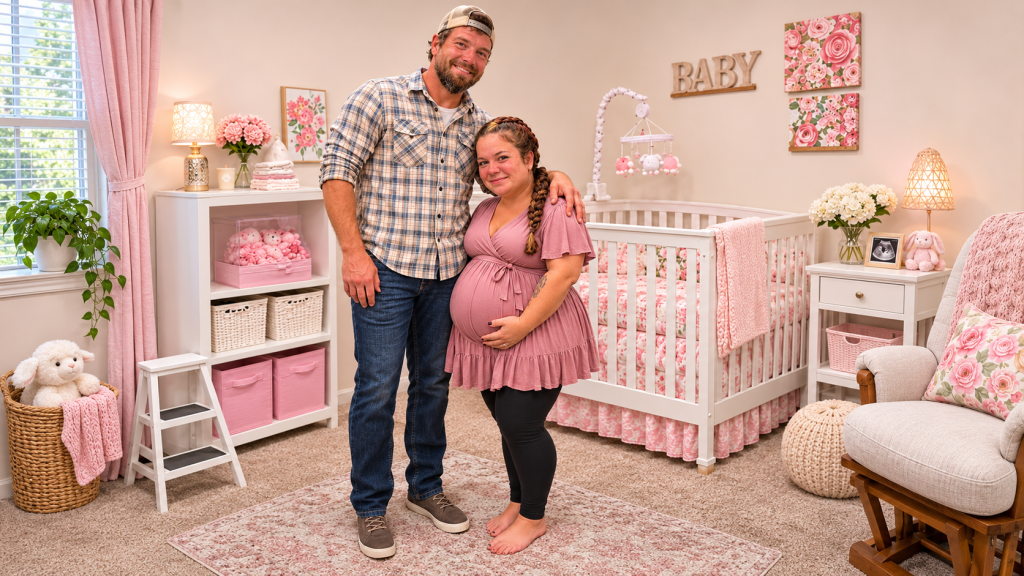
My daughter. Charlotte. The tiny, beautiful baby resting against my chest. She had been alive for less than an hour when our happiness turned into terror. My husband, Michael, stood beside my hospital bed, holding his phone. His younger sister, Rebecca, had just revealed something unimaginable.
Their mother, Patricia, had allegedly accepted twenty thousand dollars from a couple who believed they were going to receive our baby. And according to Rebecca, Patricia had made that promise before Charlotte was even born. I stared at Michael. “Tell me this isn’t happening.” His face was white.
He looked toward our daughter.
Then whispered, “Nobody is taking her.”
I wanted to believe him.
But for the first time since becoming a mother, I understood how frightening love could be.
Because suddenly, there was someone in the world I couldn’t bear to lose.
The hospital social worker, Elena, immediately contacted the appropriate staff.
Security was notified.
The maternity unit reviewed its visitor restrictions.
And a supervisor came to speak with us privately.
“Your daughter is safe,” she assured us.
I held Charlotte closer.
“But Patricia has paperwork.”
The supervisor nodded.
“We’re preserving what she brought. Those documents do not establish that she has custody or permission to take your baby.”
My throat tightened.
“Can she come upstairs?”
“No. We’ve documented that you do not consent to her visiting.”
I looked toward Michael.
He nodded.
“Thank you.”
For several moments, nobody spoke.
Then Elena pulled a chair beside my bed.
“I understand this is frightening,” she said gently. “But I want you to know that your height does not determine your ability to be a mother.”
Tears filled my eyes.
I hadn’t realized how badly I needed someone to say those words.
I looked down at Charlotte.
Her tiny fingers were curled against my hospital gown.
She had dark hair like Michael.
A delicate mouth.
And the most extraordinary little eyelashes.
I touched her cheek.
For thirty-eight years, I’d been afraid of being judged.
Now I was afraid my daughter would grow up surrounded by people who judged her mother.
Would she one day hear strangers whispering about us?
Would children ask why her mother was so small?
Would someone make her feel ashamed of me?
I swallowed.
Then Charlotte opened her eyes.
She looked toward my face.
And in that moment, something inside me changed.
She didn’t know what dwarfism meant.
She didn’t know what other people thought.
She only knew the warmth of my body and the sound of my voice.
I bent toward her.
“Hello, sweetheart.”
My tears fell onto the blanket.
“I’m your mommy.”
Michael stepped into the hallway to speak with Rebecca.
I could hear his voice through the partly open door.
“Rebecca, when did Mom receive the money?”
There was a pause.
Then his voice sharpened.
“What?”
I looked toward Elena.
She stood.
“I’ll give you some privacy.”
I nodded.
Michael returned several minutes later.
His expression frightened me.
“What happened?” I asked.
He sat beside me.
“Rebecca says the payment came through a private account Mom uses for consulting work.”
I frowned.
“What consulting work?”
Michael looked down.
“She used to help people navigate private adoption arrangements.”
My stomach tightened.
“Adoptions?”
He nodded.
“Years ago. I thought she stopped.”
I stared at him.
“You never told me.”
His eyes filled.
“I didn’t think it mattered.”
I looked toward Charlotte.
Suddenly, Patricia’s confidence made more sense.
The check.
The hospital plan.
The documents.
She hadn’t simply made a cruel suggestion.
She appeared to have been arranging something behind our backs.
“Michael,” I whispered, “did your mother ever tell you why she didn’t want me to have children?”
He looked toward me.
For a moment, he seemed uncertain.
Then he sighed.
“She used to say pregnancy might be dangerous for you.”
I nodded.
“My doctors discussed the risks with me.”
He swallowed.
“I know.”
I took a breath.
“But she never asked what my doctors actually said.”
Michael looked down.
“No.”
I continued.
“She just assumed I couldn’t do it.”
His eyes filled.
“She was wrong.”
I stared at him.
“Did she ever say anything else?”
He hesitated.
Then whispered, “Before we got married, she asked whether I’d considered what our children might look like.”
I went still.
“What?”
He closed his eyes.
“She said some families carried difficulties from one generation to the next.”
My chest tightened.
“And what did you say?”
“I told her to stop.”
I looked away.
For the first time, I wondered how many cruel conversations had happened when I wasn’t there.
An hour later, Rebecca arrived at the hospital.
She looked exhausted.
Her eyes were red from crying.
The moment she entered, she stopped beside the doorway.
“Oh, my goodness.”
I looked up.
She was staring at Charlotte.
“She looks like Michael.”
Despite everything, I smiled.
“A little.”
Rebecca stepped closer.
Then looked at me.
“Can I sit?”
I nodded.
She sat near my bed.
For several moments, she simply watched the baby.
Then her face crumpled.
“I’m so sorry.”
I swallowed.
“Rebecca, what exactly did Patricia tell you?”
She wiped her cheeks.
“She said there was a couple desperate for a baby.”
My chest tightened.
“She told me you’d agreed to an adoption but didn’t want Michael to know until after the delivery.”
I stared at her.
“How could she expect you to believe that?”
Rebecca looked ashamed.
“I didn’t.”
She swallowed.
“That’s why I started asking questions.”
Rebecca explained that Patricia had contacted her several weeks earlier.
She said a young couple had experienced years of infertility.
She described them as kind, financially secure, and ready to provide a wonderful home.
Then she asked Rebecca whether she knew anyone who could help finalize a private arrangement.
“At first,” Rebecca said, “I thought she was helping someone else.”
My stomach tightened.
“Then what?”
“She mentioned that the baby was due soon.”
Rebecca’s voice broke.
“And she said the birth mother was physically unable to raise the child.”
I closed my eyes.
Of course.
Not unwilling.
Not undecided.
Unable.
The same word Patricia had used whenever she talked about me.
As though my height erased my choices.
Rebecca continued.
“I asked who the mother was.”
She looked toward me.
“Patricia wouldn’t say.”
I swallowed.
“When did you realize it was Charlotte?”
Rebecca began crying.
“Yesterday.”
She reached into her handbag and removed several printed pages.
“I found these after Mom asked me to forward an email from her computer.”
Michael leaned forward.
Rebecca continued.
“She’d left the conversation open.”
I looked down.
There were messages between Patricia and a woman named Allison Mercer.
The subject line read:
Private Placement Discussion.
My stomach tightened.
Rebecca pointed toward one message.
“Read this.”
I swallowed.
The message described a newborn girl expected within weeks.
It said the biological mother had a medical condition that would make independent parenting difficult.
Then came the sentence that made my hands tremble.
The family has agreed that placement will be in the child’s best interests.
I stared at the words.
“The family?”
Michael’s jaw tightened.
Rebecca nodded.
“Mom was speaking for all of you.”
I looked toward Charlotte.
Nobody had asked me.
Nobody had asked Michael.
Yet Patricia had been promising strangers that our daughter needed another family.
Michael picked up the pages.
“What about the twenty thousand dollars?”
Rebecca turned to another document.
It was a transaction confirmation.
The payment description read:
Pre-placement administrative expenses.
I stared at it.
“Did the couple pay Patricia directly?”
Rebecca nodded.
“That’s what the records appear to show.”
Elena, who had returned to the room, spoke carefully.
“These documents should be preserved and reviewed by the appropriate authorities.”
Michael nodded.
“I want to report everything.”
I looked toward him.
“So do I.”
Rebecca wiped her eyes.
“There’s something else.”
My heart tightened.
“What?”
She hesitated.
“Mom told the couple the birth mother might change her mind at the last minute.”
I stared at her.
“And?”
Rebecca’s voice trembled.
“She said she had prepared paperwork to prevent confusion.”
I closed my eyes.
The signature in the hospital folder.
The supposed guardianship consent.
Everything connected.
By that evening, hospital security had documented the incident, and we had spoken with the authorities about the disputed documents and the attempted arrangement.
I didn’t know what the investigation would establish.
I knew only what I had seen.
My name appeared on paperwork I hadn’t signed.
Patricia had tried to present herself as someone entitled to make decisions about Charlotte.
And there were records suggesting money had changed hands.
The officers asked careful questions.
When had Patricia offered me the check?
What exactly had she said?
Did I have any messages from her?
Had I ever discussed adoption?
I answered everything.
“No,” I said firmly. “I never agreed to give away my daughter.”
Michael sat beside me.
“Neither did I.”
The officer nodded.
“Thank you. We’ll document that.”
When the conversation ended, I felt exhausted.
But also strangely relieved.
For once, someone was listening without treating my body as the most important fact about me.
That night, I couldn’t sleep.
Charlotte rested in the bassinet beside my bed.
Michael sat in a chair.
He looked as though he’d aged ten years.
I studied him.
“Michael?”
He immediately looked up.
“Are you okay?”
I nodded.
Then whispered, “Did you know your mother felt this strongly about me?”
His eyes filled.
“I knew she was difficult.”
I swallowed.
“But did you know she believed I shouldn’t become a mother?”
He looked away.
For a moment, I feared he wouldn’t answer.
Then he whispered, “Yes.”
My chest tightened.
I stared at him.
“You knew?”
He covered his face.
“She said cruel things when we first got engaged.”
I felt cold.
“What things?”
Michael swallowed.
“She said I was making my life unnecessarily difficult.”
Tears filled my eyes.
“She said people would stare.”
I looked down.
He continued.
“And she said children would make everything more complicated.”
For several seconds, I couldn’t speak.
“Why didn’t you tell me?” I whispered.
Michael’s voice broke.
“Because I thought I could protect you from her.”
I looked toward Charlotte.
That answer hurt.
Not because Michael shared his mother’s beliefs.
I knew he didn’t.
But because he’d allowed me to believe Patricia was merely reserved.
He’d hidden the extent of her prejudice.
And now it had reached into the hospital room where our daughter had just been born.
I took a breath.
“Michael, you can’t protect me by keeping me uninformed.”
His eyes filled.
“I know.”
I looked toward him.
“I’ve spent my whole life having people decide what I’m capable of.”
He nodded.
“Your mother did that.”
My voice trembled.
“And when you didn’t tell me what she was saying, you made decisions for me too.”
Michael began crying.
“You’re right.”
For a long moment, neither of us spoke.
Then he moved his chair closer.
“I should have been honest.”
I nodded.
“I know.”
He took my hand.
“I was afraid you’d be hurt.”
I looked toward him.
“I was going to be hurt either way.”
His expression crumpled.
“But knowing would have allowed me to set boundaries sooner.”
Michael swallowed.
“Yes.”
I squeezed his hand.
“Promise me something.”
“Anything.”
“No more secrets meant to protect my feelings.”
His eyes filled.
“I promise.”
I looked toward our daughter.
“Charlotte needs parents who tell each other the truth.”
Michael nodded.
“And she’ll have them.”
The next morning, a hospital administrator came to see us.
She explained that Patricia had been denied access to the maternity unit after the staff verified that neither parent had authorized her involvement.
The disputed documents had been preserved.
And the hospital would continue following its normal identification and discharge procedures.
I thanked her.
Then asked a question I’d been afraid to say aloud.
“Could Patricia come back?”
The administrator answered calmly.
“She may attempt to contact the hospital, but your visitor restrictions have been documented. Staff have been informed.”
I nodded.
Michael squeezed my shoulder.
For the first time since labor began, I felt able to breathe.
Later that afternoon, Rebecca received a phone call.
She stepped into the hallway.
When she returned, her expression was pale.
“Michael,” she whispered, “the couple wants to speak with you.”
My stomach tightened.
“What couple?”
She swallowed.
“Allison and her husband, Thomas Mercer.”
I looked toward Michael.
The strangers who believed they were going to receive Charlotte.
I didn’t know whether I wanted to see them.
Part of me felt furious.
Another part wondered what Patricia had told them.
Had they known we wanted our baby?
Had they believed we were surrendering her?
Had they questioned why the supposed arrangement came through the grandmother instead of the parents?
Michael looked toward me.
“We don’t have to meet them.”
I stared at Charlotte.
Then took a breath.
“I want to know what they were told.”
The meeting took place the following day in a private hospital conference room, with appropriate staff present.
Charlotte remained safely in the maternity unit.
I sat beside Michael.
Rebecca stood near the door.
Allison Mercer entered first.
She was in her late thirties, with tired eyes and hands that trembled slightly.
Thomas followed.
He looked nervous.
For several seconds, nobody spoke.
Then Allison whispered, “I’m so sorry.”
I studied her.
“Did you know I wanted to keep my baby?”
She shook her head immediately.
“No.”
My chest tightened.
“What did Patricia tell you?”
Allison began crying.
“She said you had decided adoption was best because of your medical circumstances.”
I closed my eyes.
Thomas spoke quietly.
“She told us the parents wanted privacy.”
Michael’s jaw tightened.
“And you paid her twenty thousand dollars?”
Thomas nodded.
“She said it was for administrative and legal costs.”
I stared at him.
“Did you ever meet an adoption attorney?”
He hesitated.
“We spoke with someone she introduced as a consultant.”
My stomach tightened.
“Did that person represent me?”
Thomas shook his head.
“We don’t know.”
Allison covered her face.
“We’ve been trying to have a baby for eight years.”
Her voice broke.
“We lost two pregnancies.”
I felt something twist inside me.
Not sympathy for what Patricia had done.
That was indefensible.
But sympathy for the grief of a woman who had wanted a child for so long.
Allison looked toward me.
“When Patricia told us there was a mother who wanted her baby to have another family, we believed her.”
I swallowed.
“You should have spoken to me.”
She nodded through tears.
“I know that now.”
I took a breath.
“My daughter was never available for adoption.”
Allison began sobbing.
“I understand.”
I looked directly at her.
“Charlotte is wanted.”
She nodded.
“I’m sorry.”
I swallowed.
“She has two parents who love her.”
Thomas looked down.
“We understand.”
The meeting ended quietly.
Allison didn’t ask to see Charlotte.
Thomas didn’t argue.
They provided the information they had to the authorities reviewing the matter.
As they prepared to leave, Allison stopped near the doorway.
She looked toward me.
“I hope your daughter has a wonderful life.”
My eyes filled.
“Thank you.”
Then she whispered, “And I hope nobody ever makes her feel that she’s less deserving of love because she’s different.”
For a moment, I couldn’t speak.
Then I nodded.
“Me too.”
When we returned to my room, Michael sat beside me.
“Are you okay?”
I looked toward Charlotte.
“I don’t know.”
He nodded.
I continued.
“I spent so many years wanting someone to see me as a whole person.”
My voice trembled.
“Then I finally became a mother, and your mother tried to convince strangers that my body made me unfit.”
Michael’s eyes filled.
“I know.”
I swallowed.
“But those people weren’t looking at Charlotte as something to steal.”
I looked toward him.
“They thought they were helping a child whose parents had chosen adoption.”
He nodded.
“They were deceived too.”
I sighed.
“I still wish they’d asked more questions.”
“So do I.”
For a long moment, we were silent.
Then Michael said quietly, “Mom’s cruelty reached more people than she understood.”
I looked down.
“Yes.”
That evening, Rebecca arrived with another folder.
She looked frightened.
“There’s something I need to show you.”
My stomach tightened.
“More paperwork?”
She nodded.
“I found it among Mom’s old files.”
Michael stood.
“What is it?”
Rebecca hesitated.
“Records from the adoption consulting work she used to do.”
I stared at her.
“Why does that matter?”
Her eyes filled.
“Because I don’t think this was the first time Mom tried to decide what should happen to someone else’s child.”
The room went silent.
Michael’s expression changed.
“What are you saying?”
Rebecca swallowed.
“I found correspondence from twenty-five years ago.”
She placed a photograph on the table.
It showed Patricia standing beside a young woman outside a hospital.
The woman looked frightened.
She held a newborn baby.
I stared at the picture.
Then looked toward Michael.
His face had gone completely white.
“Michael?”
He didn’t answer.
Rebecca began crying.
And then she whispered:
“That woman was our mother’s younger sister, Evelyn. She was told she couldn’t raise her baby because of a medical condition.”
My heart pounded.
Michael stared at the photograph.
“But Aunt Evelyn never had children.”
Rebecca shook her head.
“She did.”
For several seconds, nobody moved.
Then Rebecca opened the folder.
Inside was an old letter.
Patricia’s name appeared at the bottom.
And the first sentence made my blood run cold.
Evelyn, you must understand that allowing your baby to remain with you would be selfish.
I covered my mouth.
Rebecca’s voice trembled.
“Mom told everyone Evelyn had suffered a miscarriage.”
Michael stepped backward.
“No.”
Rebecca looked at him.
“Michael, I think Mom convinced Evelyn to surrender her child.”
I stared at the photograph.
At the frightened young mother.
At the baby wrapped in a white hospital blanket.
And at Patricia standing beside them with the same composed expression she’d worn when she offered me one hundred thousand dollars.
Suddenly, the check on her kitchen table seemed different.
Not an isolated act of cruelty.
But possibly part of a much older pattern.
I looked toward Charlotte.
She slept peacefully.
Unaware that her grandmother’s actions had uncovered a secret buried for twenty-five years.
Then Rebecca handed Michael one final document.
It was a letter from Evelyn.
Written several years after the photograph.
The handwriting was shaky.
Patricia, I have spent every day wondering whether my daughter believes I abandoned her because I didn’t love her.
My heart stopped.
Daughter.
Evelyn’s baby had been a girl.
I looked toward Rebecca.
“Does Evelyn know where her daughter is?”
Rebecca shook her head.
“No.”
Then Michael turned the page.
At the bottom was a name.
The name of the person who had received the baby.
Michael stared at it.
His face drained of color.
And when he finally spoke, his voice was barely audible.
“That’s Allison Mercer’s mother’s name.”
For a moment, nobody breathed.
The woman who had just sat across from me, believing she was adopting Charlotte, might have been connected to a child Patricia had helped separate from her mother twenty-five years earlier.
I looked down at my sleeping daughter.
Then toward Rebecca.
And whispered:
“What if Patricia didn’t choose Allison by accident?”